
Az újrafelhasználhatóság és ami mögötte van
Az újrafelhasználhatóság és ami mögötte van Az újrafelhasználás jó, de biztos, hogy minden újrafelhasználható csomagolás öko? Kicsit a fogalom mögé nézünk, és bemutatjuk a legfőbb gyakorlati szempontokat, hogy könnyebb legyen valóban fenntartható döntést hozni!
Reusability and what lies behind it
Reusability and what's behind it Reusability is good, but is it certain that all reusable packaging is eco-friendly? We'll take a look behind the concept and present the main practical aspects to make it easier to make a truly sustainable decision!
Készen áll arra, hogy különleges, költségcsökkentő megoldásainkkal többet hozzon ki vállalkozásából?
Keressen minket, és egyeztessünk egy időpontot!

Arató GáborAudit szakértő
Üzenet küldése+36 1 408 8768
Ready to cut costs without cutting corners?
Our specialised solutions are built to save you money where it matters most. Get in touch to schedule a consultation.
Gábor Arató
Audit expert
Send a message+36 1 408 8768
Az újrafelhasználás jó, de biztos, hogy minden újrafelhasználható csomagolás öko? Kicsit a fogalom mögé nézünk, és bemutatjuk a legfőbb gyakorlati szempontokat, hogy könnyebb legyen valóban fenntartható döntést hozni!
Reuse is good, but is it certain that all reusable packaging is eco-friendly? We look a little behind the concept and present the main practical aspects to make it easier to make a truly sustainable decision!
What does reusable mean?
In order to be able to talk about reusable packaging in a meaningful way, we must first clarify the concept. To do this, it is sufficient to cite the 2018 EU Directive on Packaging and Packaging Waste, which states that reusable packaging is “packaging that is designed, constructed and placed on the market in such a way that it can be used multiple times during its lifetime because it can be refilled or reused for the same original purpose.” In other words, we cannot call packaging reusable if it was not intentionally designed to be so or if it is reused for a purpose other than its original purpose.
What makes reusable packaging a good or bad choice?
Reuse is a great concept in itself, but when it comes to specific packaging, additional aspects need to be taken into account in order to make the right choice: these are the weight of the packaging, the distance it will be transported, the type of cleaning process (industrial, dishwasher or manual), and the expected number of reuse cycles. What’s more, the ecological footprint of all packaging also includes the carbon dioxide emissions during its production, and – and we often forget this – the water requirement.
Water scarcity is becoming a serious problem in more and more areas, so planning with this in mind is an essential element of sustainable design. We cannot ignore the water footprint of the raw material used to produce the packaging.
Just a little mental math
Packaging for which a simple visual condition assessment before reuse is sufficient has a clear advantage over its disposable counterparts. In terms of their ecological footprint, the CO2 emissions that vary depending on the distance of transport are the decisive factor.
However, when a visual assessment is not enough and the packaging needs to be cleaned before reuse, this process must also be taken into account: the main factors in this area are the water, energy and detergent requirements. Of course, this drastically increases the number of use cycles that must be completed at least for the packaging to have an ecological benefit.
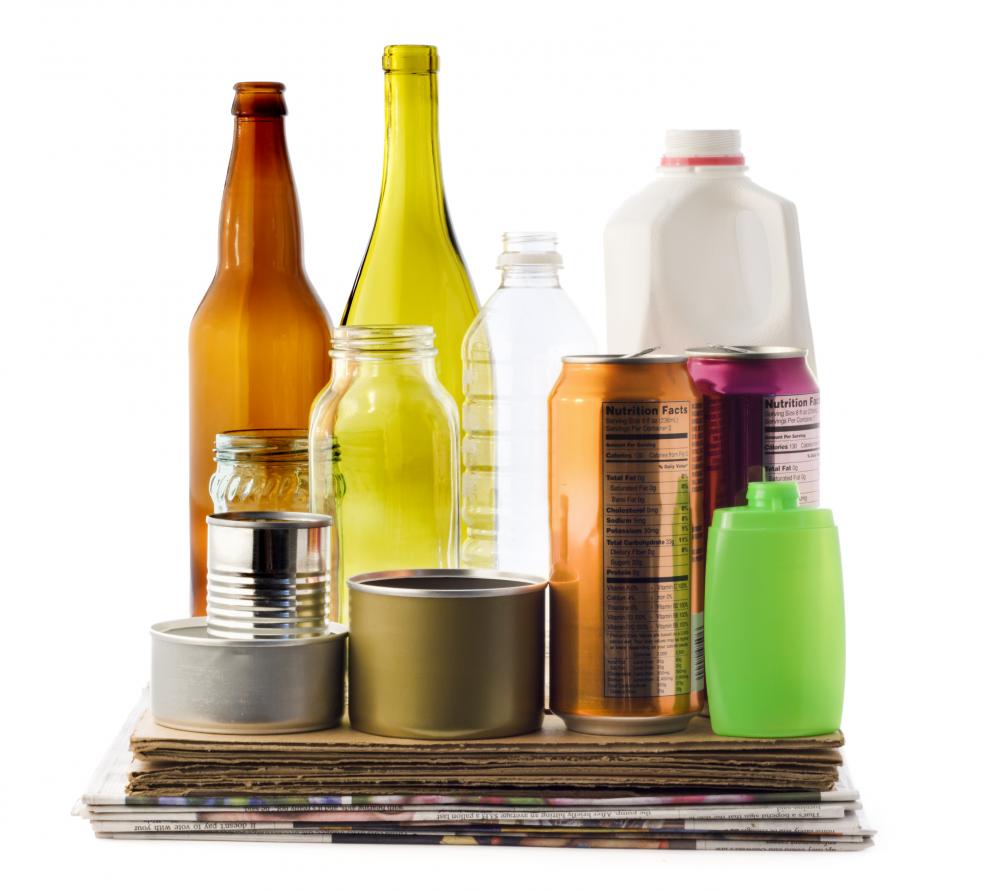
Let’s look at a concrete example: comparing a reusable one-liter glass bottle and a single-use PET bottle based on the above. While the production of the former involves 3.270 kg of CO2 emissions, the latter requires no less than 0.813 kg. In other words, for the reuse of a glass bottle to have an ecological benefit in terms of CO2 emissions, it must be reused at least five times without transportation, and at least seven times with transportation (in the case of a distance of 20 km, but at 60 km this number is already 16). If we also take the water footprint into account, a minimum of 180 cycles of use are needed to pay for it.
In conclusion, reuse is good, but the method of its use, the footprint of the packaging production, and the length of the path it takes in the reuse cycles must also be taken into account when making the decision.
If your company also uses stretch wrapping and is committed to sustainable packaging solutions, please contact our expert colleague Gábor Somogyi at +36 30 682 60 51 or email iroda@manupackaging.hu.