Két évvel ezelőtt kereste meg a Manupackaging Magyarország Kft.-t egy nem hétköznapi csomagolástechnikai feladattal egy áruházlánc logisztikai központja. A 100 000 m2-es központban természetesen nem csak az épület mérete gigantikus, hanem az áruforgalom is kiemelkedően nagy.
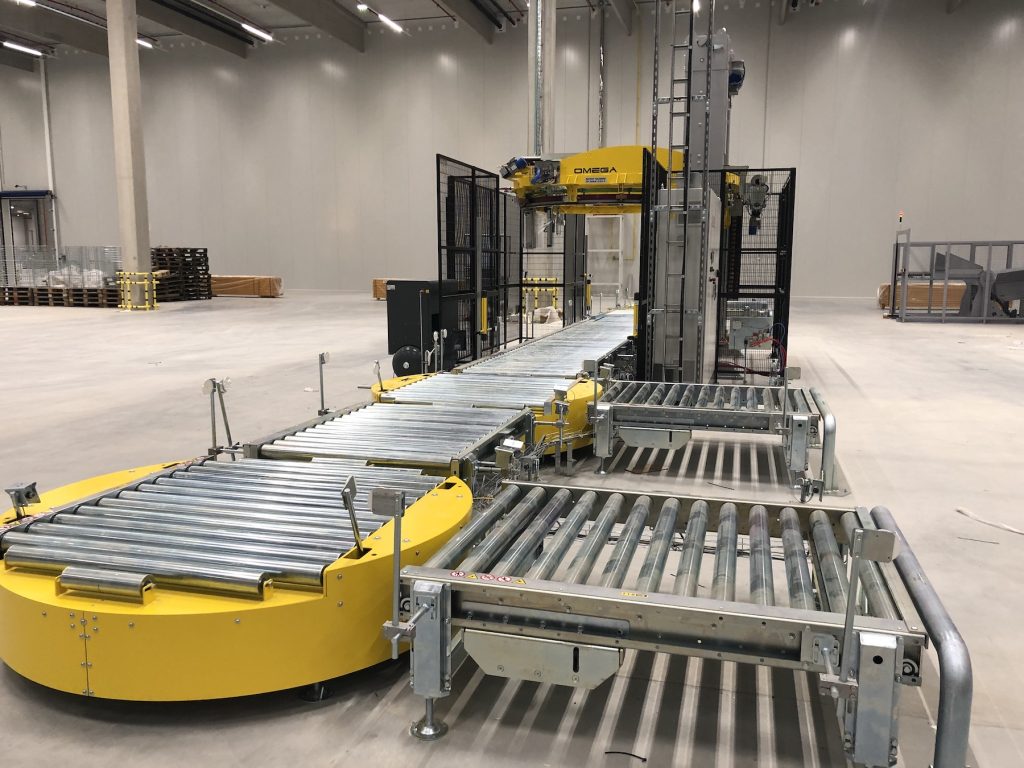
A feladat egy olyan
csomagoló sor kialakítása és telepítése volt, amely képes óránként 120 kimenő rakatot lecsomagolni, megfelelő stabilitás és minimális költség mellett a csomagolóanyag- és az energiafelhasználást tekintve. További elvárás volt, hogy a kapacitás és a termelékenység maximalizálásának érdekében a lehető legritkábban kelljen megállítani a gépet fóliacsere miatt.
A cég két úton indult el
egy konkurens vállalat a stretch-hood technológiát javasolta. Mi azonban, felmérve a pontos igényeket, a rakatok formáját, kirakását és stabilitását, továbbá a teljes rakatépítési munkafolyamatot, a stretch-fóliázásban és egy hozzá tartozó, speciálisan kialakított fedőfólia-adagolóban láttuk a megoldást.
A puding próbája
A javaslatok a gyakorlatban is megmérettetésre kerültek:
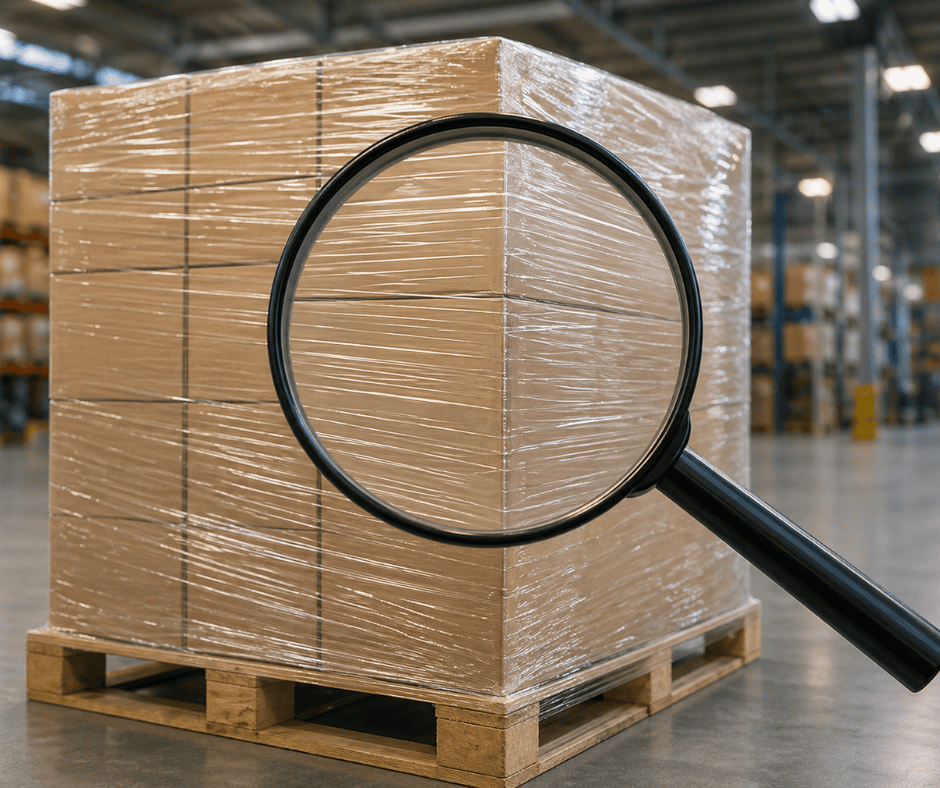
a logisztikai központ összekészített 4 valós, életszerű tesztraklapot a megszokott árufajtákból, amelyeket először a stretch-hood technológiával próbáztak, majd ezt követően küldték hozzánk gyári csomagolási tesztre. A konkurens megoldási javaslat a legjobban akkor alkalmazható, ha a rakat formája szabályos (nincsenek kilógó dobozok, termékek), vagyis a fólia minden oldalon egyformán szorosan tud ráfeszülni. A komissiózott rakatok esetében azonban az itt-ott kiálló elemek miatt a stretch-hood nem tud kellően megfeszülni, így a palettát sem tudja elég stabilan tartani.
Végül ez a módszer a gyenge tartóerő mellett is drágábbnak bizonyult, mint a mi egyedi stretch-fóliás megoldásunk.
Kihívás: minimális csomagolási költség
Ez után következett a mi elképzelésünk. Az első megoldandó feladat a költséghatékonyság érdekében az volt, hogy az automata gépeken általánosan elvárt standard 60 my vastagságú fedőfólia helyett vékonyabb típussal is tudjon dolgozni a gép. Ezt a fedőfólia-adagoló motorizálásával sikerült elérnünk, aminek köszönhetően egy jóval vékonyabb, 35 my vastagságú fedőfóliával is meg tudtuk oldani ugyanazt a csomagolási feladatot, s ezáltal több mint 40%-al csökkentettük a csomagolási költségek ezen részét.
Kihívás: maximális gyorsaságg
A csomagolási költségek minimalizálása mellett további kihívást jelentett a gyorsaság és hatékonyság, hiszen az óránkénti 120 raklapos sebesség igazán nem mindennapi. Egyértelmű volt, hogy a kívánt sebesség érdekében olyan automata forgógyűrűs stretch-fóliázó gépre van szükség, amely egyszerre két fóliatekerccsel dolgozik.
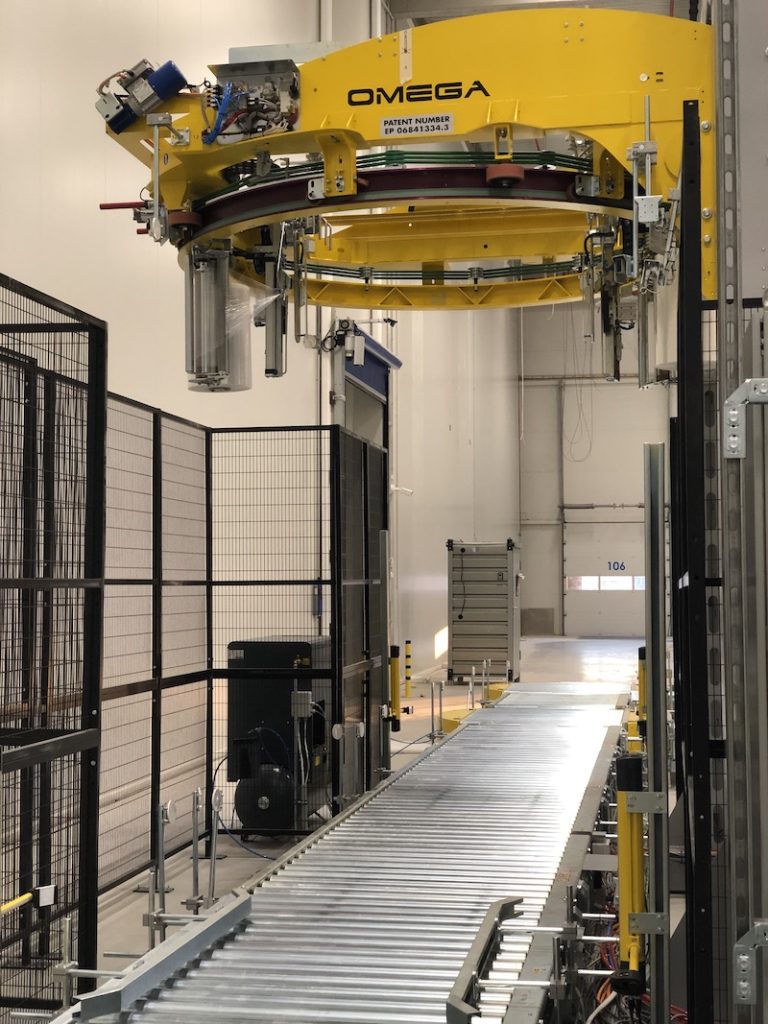
Annak érdekében, hogy a gép kapacitása elérje a kívánt szintet, és eleget tudjunk tenni a stretch-fólia tekercsek cseréjére vonatkozó elvárásoknak, úgy terveztük át a gépet, hogy a megszokott 16-20 kg-os tekercsek helyett egyszerre két 40 kg-os tekerccsel tudjon dolgozni. A rendszer így 380-390 raklapot tud lecsomagolni egyhuzamban tekercs-csere nélkül.
A végeredmény:
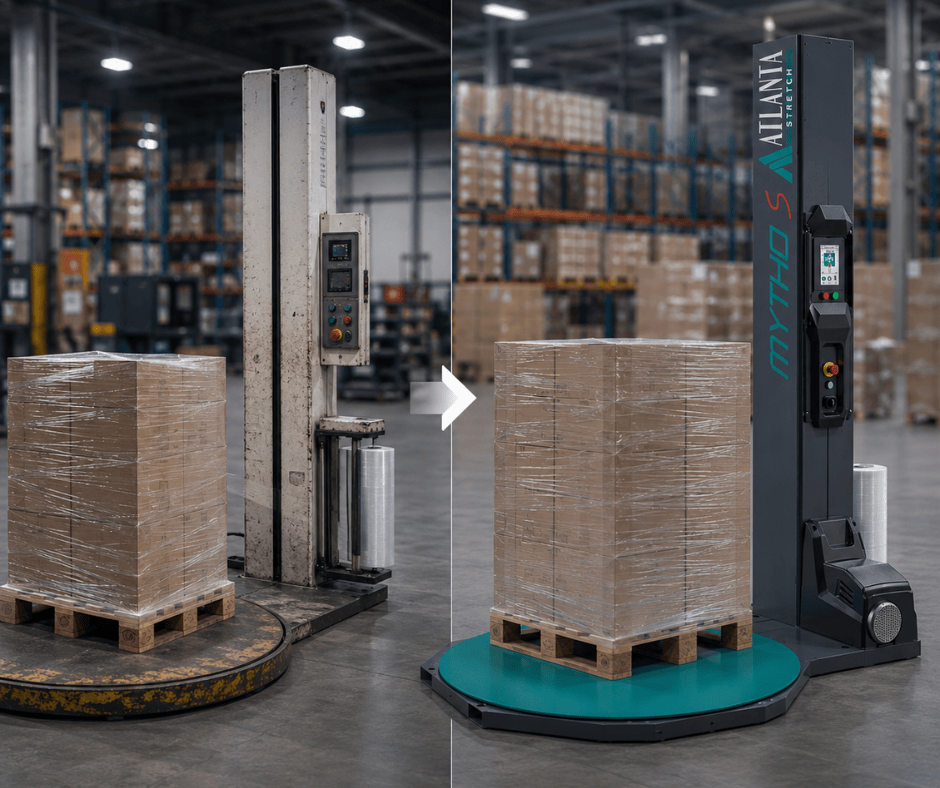
A megoldásunk tehát a piac egyik leggyorsabb, legmegbízhatóbb, két kocsis, forgógyűrűs fóliázó gépe lett, amely az Omega névre hallgat. Különlegességeivel – így a 40 kg-os stretch-fólia tekercsekkel, illetve a motorizált fedőfólia adagolóval – maximalizáltuk a termelékenységet, és minimalizáltuk a csomagolóanyag költségét.
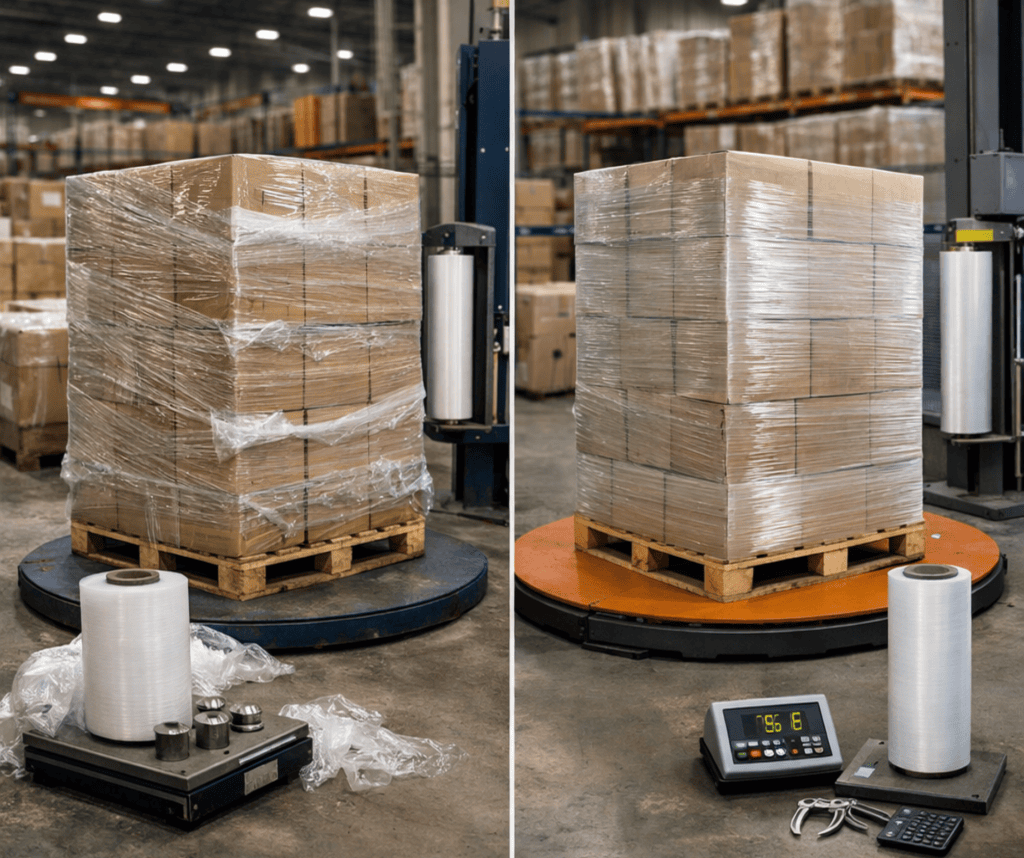
Az általunk ajánlott technológiával a cég 40%-kal kevesebb fólia felhasználás mellett több mint háromszor nagyobb tartóerővel csomagol, így garantálva a komissiózott rakatok stabilitását.
 Biztonság és garancia:
A tárgyalások kezdetén végzett kalkulációinkat a várható csomagolási szükségletről és költségekről – melyek végül pontosan megegyeztek a valós, többször ellenőrzött végleges számokkal – természetesen szerződésben is vállaltuk. Roppant vonzó volt ezen felül az általunk kínált egyedi karbantartási szerződés is, amely szerint:
egy technikus kolléga havonta egy alkalommal a helyszínen, működés közben ellenőrzi a gépeket, és a bontás nélküli kisebb karbantartásokat elvégzi,
bármilyen egyéb probléma esetén garantáljuk, hogy 6 órán belül a helyszínre érkezik a technikus, és megkezdi a hiba elhárítását,
évente 3 alkalommal a nagyobb karbantartási munkálatokat is elvégezzük.
Végül, de nem utolsó szempontként eleget tudtunk tenni a nemzetközi igényeknek is, vagyis minden megoldást garantálni tudtunk a cég külföldi raktárában is, melynek köszönhetően a magyarországi két gépes megrendelésünk mellé oda is elnyertük az egy sorra vonatkozó tendert. Így nem okozott problémát az elvárás, hogy egyazon beszállítóval dolgozzon együtt a két logisztikai centrum, tekintettel arra, hogy mindkét országban vállalni tudtuk a lokális szerviz garanciát és az anyagkiszállítást.
Mindennek fényében a megbízó nagy elégedettségére az általunk ajánlott és telepített rendszer közel két évnyi munka után megkezdte működését a vállalat logisztikai központjában. A csomagolás természetesen saját gyártású stretch fóliával, tetőfóliával, ragasztószalaggal és egyéb csomagolóanyagokkal történik, hiszen így tudjuk garantálni a legmagasabb minőséget.
Büszkén jelenthetjük ki, hogy ez a speciálisan kialakított, egyedi igényekhez alkalmazkodó gép egyedülálló hazánkban, és még a környező országokban is legfeljebb csak hasonló található.
Szeretnénk felhívni a figyelmét, hogy most Ön is könnyebben csökkentheti csomagolási költségeit a GINOP-1.2.8-20 pályázati lehetőséggel, amelynek keretében mikro-, kis- és középvállalkozások akár 70%-os támogatással juthatnak hozzá prémium minőségű gépeinkhez. Érdeklődés esetén forduljon szakértő kollégánkhoz, Somogyi Gáborhoz a +36 30 682 6051-es telefonszámon, vagy írjon az iroda@manupackaging.hu email címre.
Two years ago, Manupackaging Hungary Ltd. was approached by the logistics center of a department store chain with an unusual packaging technology task. In the 100,000 m2 center, not only is the size of the building gigantic, but the turnover of goods is also exceptionally high.
The task was to design and install a packaging line that is capable of packaging 120 outgoing pallets per hour, with adequate stability and minimal cost in terms of packaging material and energy consumption. Another requirement was that the machine should be stopped as rarely as possible for film changes in order to maximize capacity and productivity.
The company took two paths
A competitor suggested stretch-hood technology. However, after assessing the exact needs, the shape, unloading and stability of the stacks, as well as the entire stack construction workflow, we saw the solution in stretch-filming and a corresponding, specially designed cover film dispenser.
The test of the pudding
The proposals were also tested in practice: the logistics center prepared 4 real, lifelike test pallets of the usual types of goods, which were first tested with stretch-hood technology and then sent to us for factory packaging tests. The competing solution is best used when the shape of the stack is regular (no protruding boxes or products), meaning that the film can be stretched equally tightly on all sides. However, in the case of picked stacks, the stretch hood cannot be stretched sufficiently due to the protruding elements here and there, so it cannot hold the pallet stably enough. In the end, this method proved to be more expensive than our unique stretch film solution, despite the weak holding force.
Challenge: minimal packaging cost
This was followed by our idea. The first task to be solved in the interest of cost-effectiveness was to enable the machine to work with a thinner type of cover film instead of the standard 60 my thickness generally expected on automatic machines. We achieved this by motorizing the cover film feeder, which allowed us to solve the same packaging task with a much thinner, 35 my thick cover film, thereby reducing this part of the packaging costs by more than 40%.
Challenge: maximum speed
In addition to minimizing packaging costs, speed and efficiency were another challenge, as a speed of 120 pallets per hour is truly extraordinary. It was clear that in order to achieve the desired speed, an automatic rotating ring stretch wrapping machine was needed that could work with two film rolls at the same time.
In order to achieve the desired capacity and to meet the requirements for changing stretch film rolls, we redesigned the machine so that it can work with two 40 kg rolls at the same time instead of the usual 16-20 kg rolls. The system can thus wrap 380-390 pallets in one go without changing rolls.
The end result:
Our solution has become one of the fastest, most reliable, two-carriage, rotating ring wrapping machines on the market, called Omega. With its special features – such as the 40 kg stretch film rolls and the motorized lidding film dispenser – we have maximized productivity and minimized the cost of packaging material.
With the technology we recommend, the company uses 40% less foil and packs with more than three times the holding force, thus guaranteeing the stability of the picked stacks.
Safety and guarantee:
Our calculations of the expected packaging needs and costs made at the beginning of the negotiations – which ultimately exactly matched the real, repeatedly checked final numbers – were of course also included in the contract. In addition, the individual maintenance contract we offered was also very attractive, according to which:
a technician colleague checks the machines on site once a month, during operation, and performs minor maintenance without dismantling,
in the event of any other problem, we guarantee that the technician will arrive on site within 6 hours and start troubleshooting,
we also carry out major maintenance work 3 times a year.
Last but not least, we were able to meet international demands, meaning that we were able to guarantee all solutions in the company’s foreign warehouse as well, thanks to which we won the tender for one line there in addition to our order for two machines in Hungary. Thus, the expectation that the two logistics centers work with the same supplier did not cause a problem, given that we were able to undertake the local service guarantee and material delivery in both countries.
In light of all this, to the great satisfaction of the client, the system we recommended and installed began operating in the company’s logistics center after nearly two years of work. The packaging is of course done with our own stretch film, roofing film, adhesive tape and other packaging materials, as this is how we can guarantee the highest quality.
We can proudly state that this specially designed machine, which adapts to individual needs, is unique in our country, and even in neighboring countries, there are only similar ones.
We would like to draw your attention to the fact that now you can also reduce your packaging costs more easily with the GINOP-1.2.8-20 application opportunity, within the framework of which micro, small and medium-sized enterprises can access our premium quality machines with up to 70% support. If you are interested, please contact our expert colleague, Gábor Somogyi, at +36 30 682 6051 or email iroda@manupackaging.hu.