
 A Cambridge Egyetem kutatói kifejlesztettek egy új polimer fóliát, amely 100%-ban növényi proteinből készült, és az előállítása egyáltalán nem igényel semmilyen kémiai adalékanyagot. A fejlesztők szerint azonban ennek az anyagnak a fizikai tulajdonságai és alkalmazási lehetőségei akár a hagyományos műanyagéval is felérnek.
Növényi fehérjéből készült lebomló műanyag
Egyrétegű csomagolóanyagokkal a körkörös műanyaggazdálkodásért: a CEFLEX legújabb tanulmánya szerint ez a legrövidebb út
Degradable plastic made from plant protein
Single-layer packaging for circular plastic management: according to the latest CEFLEX study, this is the shortest path
Készen áll arra, hogy különleges, költségcsökkentő megoldásainkkal többet hozzon ki vállalkozásából?
Keressen minket, és egyeztessünk egy időpontot!

Arató GáborAudit szakértő
Üzenet küldése+36 1 408 8768
Ready to cut costs without cutting corners?
Our specialised solutions are built to save you money where it matters most. Get in touch to schedule a consultation.
Gábor Arató
Audit expert
Send a message+36 1 408 8768
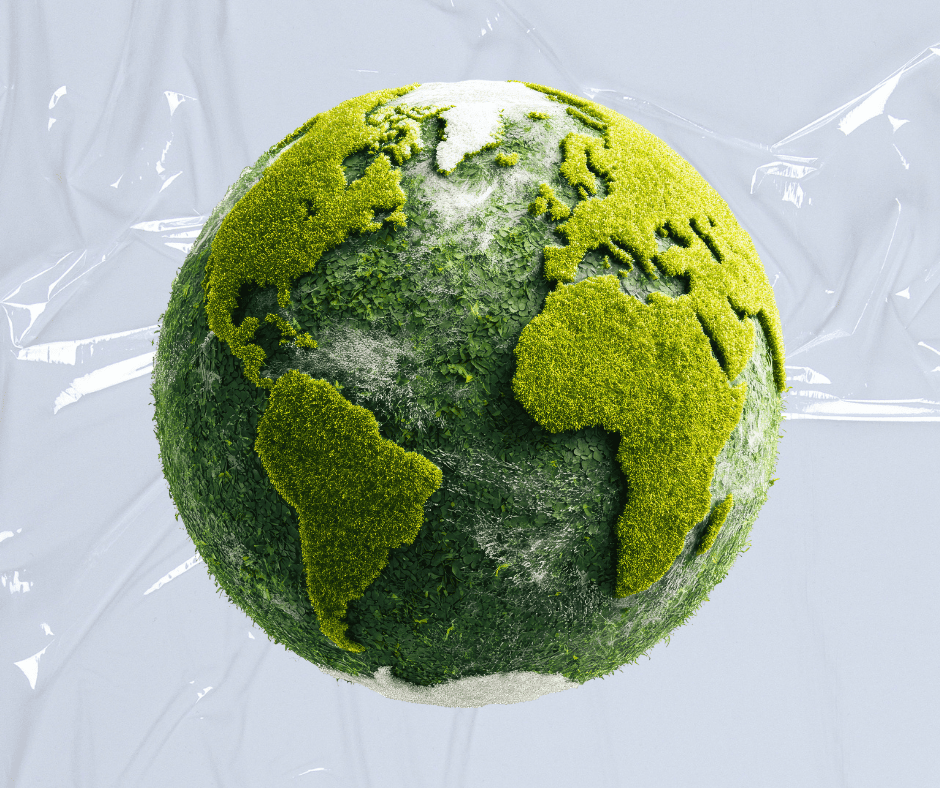
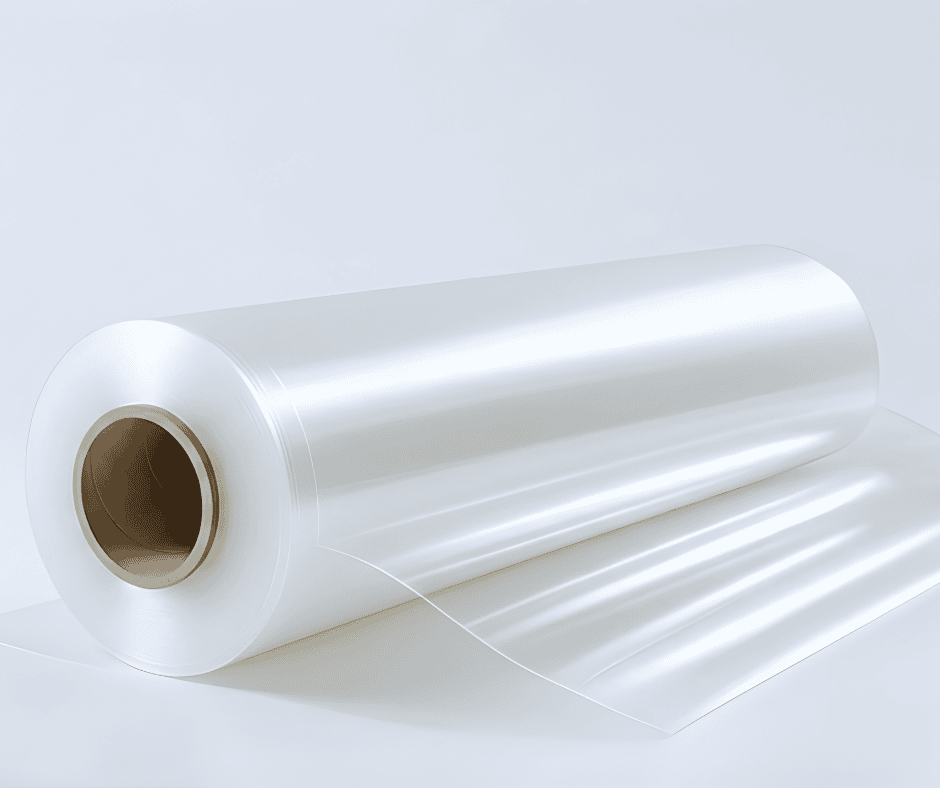
Itt a növényi fehérjéből készült lebomló műanyag, amelyet a pókháló struktúrája inspirált!
A Cambridge Egyetem kutatói kifejlesztettek egy új polimer fóliát, amely 100%-ban növényi proteinből készült, és az előállítása egyáltalán nem igényel semmilyen kémiai adalékanyagot. A fejlesztők szerint azonban ennek az anyagnak a fizikai tulajdonságai és alkalmazási lehetőségei akár a hagyományos műanyagéval is felérnek.
A Cambridge Egyetem kutatói kifejlesztettek egy új polimer fóliát, amely 100%-ban növényi proteinből készült, és az előállítása egyáltalán nem igényel semmilyen kémiai adalékanyagot. A fejlesztők szerint azonban ennek az anyagnak a fizikai tulajdonságai és alkalmazási lehetőségei akár a hagyományos műanyagéval is felérnek.
Here is a biodegradable plastic made from plant protein, inspired by the structure of a spider web!
Researchers at the University of Cambridge have developed a new polymer film that is made from 100% plant protein and does not require any chemical additives to produce it. However, according to the developers, the physical properties and application possibilities of this material are even comparable to those of traditional plastic.
The future opportunity
The film, made entirely of plant protein, can even be produced as an agricultural by-product, further reducing the ecological footprint of its production. The material produced in this way is composted in nature after use, just like any other natural waste, leaving no pollution behind.
An important step forward may be that, according to the researchers, the mechanical properties and application possibilities of this special material are the same as those of traditional plastic. They managed to achieve all this without using any chemical binders in the production, as is the case with many bio-polymers, in order to ensure adequate durability and flexibility.
The published research also reveals that the innovation was inspired by spider webs, which have a greater load-bearing capacity than steel compared to their weight, but are easily degraded due to their weak molecular bonds. Researchers at the University of Cambridge have now succeeded in creating a spider web-like structure from plant protein using acetic acid, water, ultrasound and heat, which is a real breakthrough.
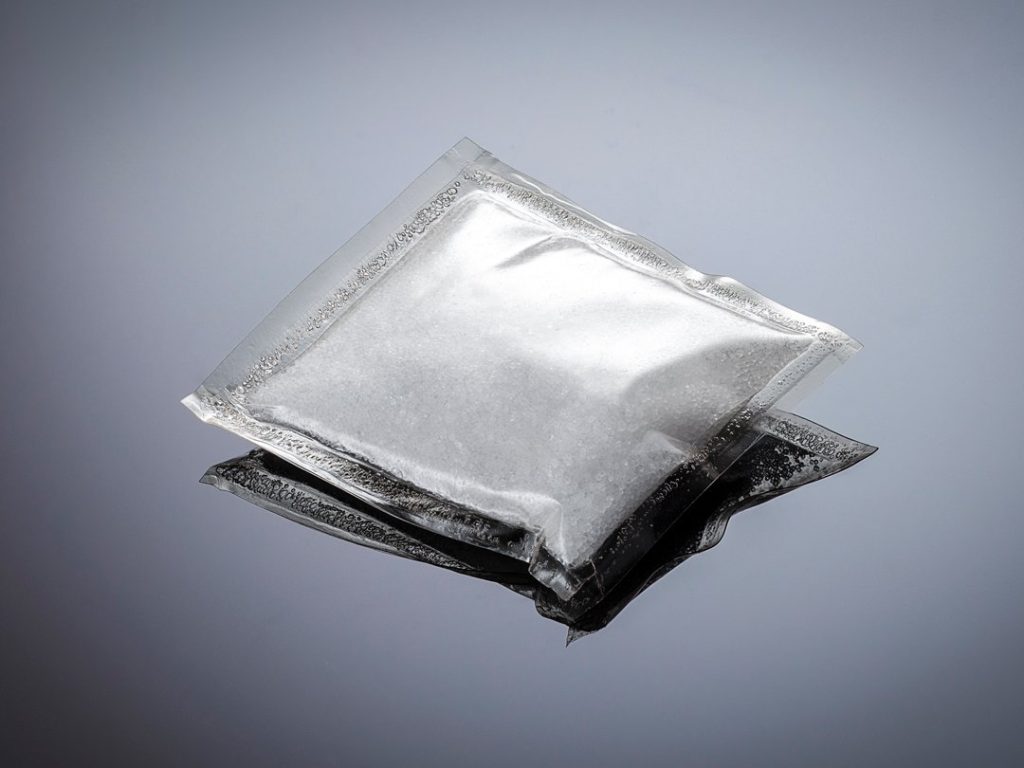
The researchers hope that this environmentally friendly technology could soon replace the use of single-use plastics in the flexible packaging materials, bags and capsules found in most households.
The reality of the present
Manunature, the 100% environmentally friendly plastic
The self-developed Manunature is the first packaging material on the market that is not only 100% recyclable, but if it does end up as waste, it will also decompose in about 2 years, without microparticle pollution, into CO2 and water. This is unique because every other product available on the market only has one of these qualities: it is either recyclable but does not decompose, so it continues to be a problem as waste, or it decomposes but cannot be recycled, so it also loses its value in the production chain.
Another advantage of Manunature is that it is made from biological raw materials, so its production is also based on renewable sources. As a result, it also contributes to reducing the carbon footprint, as 1 kg of bio-polyethylene saves 2 kg of CO2 from the atmosphere.
The life cycle of Manunature
There are basically two life cycles that can unfold for Manunature packaging material after it has fulfilled its function. The most favorable is if, according to the principle of circular plastic management, it is collected after use, then undergoes mechanical recycling and becomes packaging material again, which can thus continue its journey in the system. However, if disposed of as waste, in a natural environment, exposed to open air, UV radiation and moisture, it begins to decompose and becomes water, CO2 and biomass.
Importantly, the physical properties of the Manunature product do not change during use, the ability to decompose is like a dormant function that only comes into play when the material is released into a natural environment. At this point, a very rapid change begins: it loses its physical integrity, breaks down into smaller and smaller particles, until after about 3 months it is no longer plastic, but a 100% biodegradable residue, whose small molecular size and water-soluble nature allow naturally occurring bacteria and fungi to absorb and digest it. As a result, after 24 months, nothing remains of the packaging material except the aforementioned organic materials, posing no further threat to the environment.
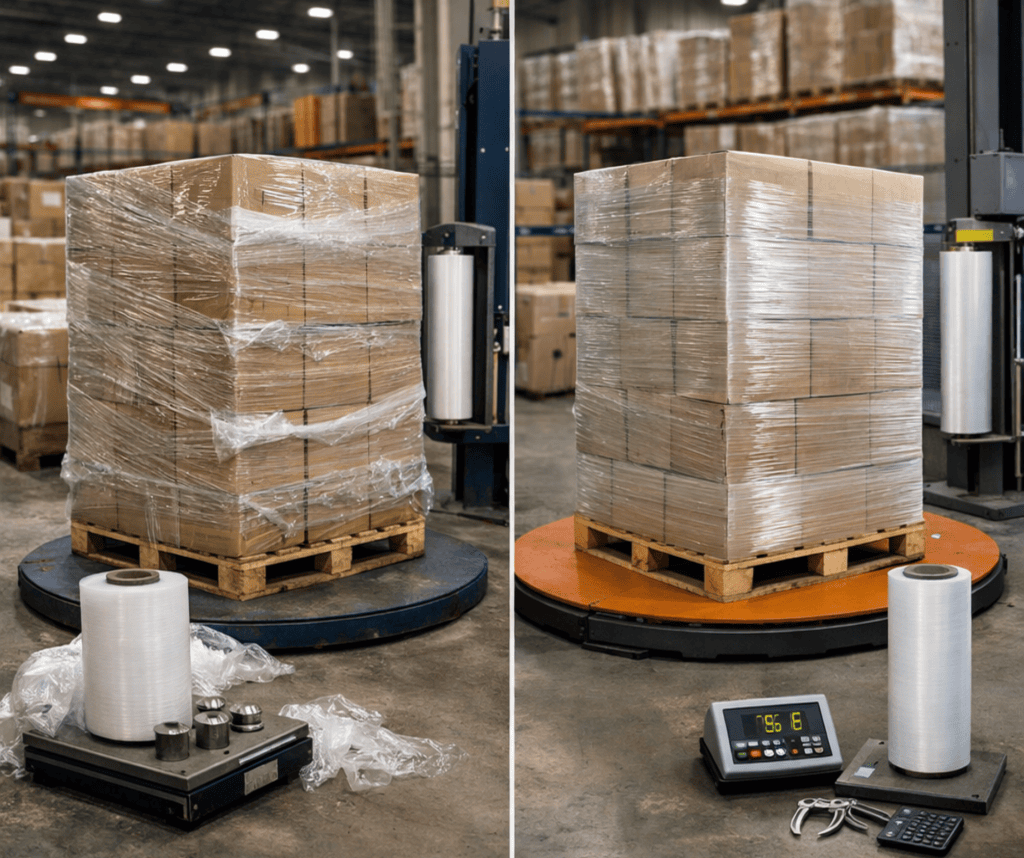
If your company also uses stretch-hood technology and is committed to sustainable packaging solutions, please contact our expert colleague Gábor Somogyi at +36 30 682 60 51 or write to the email address iroda@manupackaging.hu.