Az európai műanyag feldolgozó iparnak korábban soha nem tapasztalt nyersanyaghiánnyal és áremelkedéssel kell szembenéznie, amely a vállalatok 90%-át érinti. A helyzet számos kis- és középvállalkozás fennmaradását fenyegeti, de rengeteg alapvető termék gyártását is bizonytalanná teszi, az építő- és autóipartól kezdve egészen az élelmiszer- és gyógyszeriparig.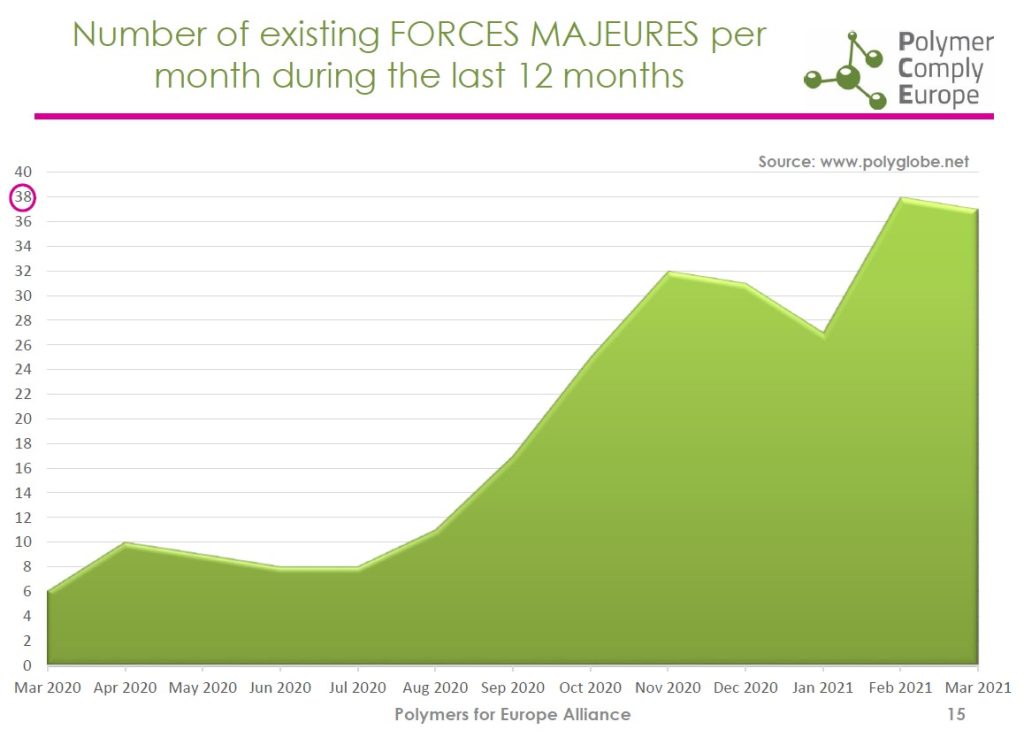
Ellátási problémák:
Az EuPC (Európai Műanyag Feldolgozók) ügyvezető igazgatója, Alexandre Dangis a kialakuló helyzetről így fogalmazott: “A műanyag termékek előállítói egész Európa szerte már az év kezdete óta egyre komolyabb ellátási problémákba ütköznek. A szállítási nehézségek egyre általánosabbak, csak úgy mint a nyersanyaghiány a polipropilén, a polivinil klorid és a polietilén terén, de a probléma további olyan speciális adalékanyagokat is érint, amelyek elengedhetetlenek a műanyag termékek gyártásához. Ez a mostani, igen komoly piaci zavar a nyersanyagok helyi előállítása és a rájuk irányuló kereslet közötti strukturális kiegyensúlyozatlanság eredménye. Ennek az egyensúlynak a visszaállítása elengedhetetlen ahhoz, hogy az ellátási lánc ismét zavartalanul tudjon működni, enélkül pedig előbb-utóbb a végfelhasználók is el fogják szenvedni a fennálló helyzet következményeit, például félkész termékek formájában.”
Problémai okai:
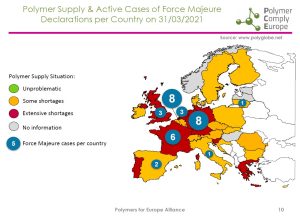
“Európa nettó importernek számít a polimer nyersanyagok területén, ezért aztán az átlagnál érzékenyebb a piaci zökkenőkre. A jelenlegi nyersanyaghiányt elsősorban a fejlődő világgazdaság és a műanyagok Európából Ázsiába és Észak-Amerikába történő exportjának kombinációja okozza. Ehhez logisztikai problémák is hozzájárulnak (mint például a nem elegendő számú konténer), akárcsak a pandémia idején egyes nyersanyagokra irányuló megnövekedett igény. Ezen kívül az év eleje óta soha nem látott számú vis maior bejelentéssel is számolnia kellett az iparnak” ‒ mondta Ron Marsh, a Polymers for Europe Alliance elnöke.
A több mint 50.000 kis- és középvállalkozás, amely az európai műanyag feldolgozó ipart képezi, súlyos nyomásnak van kitéve, hiszen a nyersanyaghiány nem csak drámaian növelte a gyártás költségeit, de annak teljes leállásával is fenyeget. A legutóbbi felmérések alapján a vállalkozások 90%-át érinti a krízis: a legtöbbjük kénytelen volt csökkenteni a gyártást, és emiatt számos ügyféltől is búcsút kellett venniük. Ha a helyzet így folytatódik, hamarosan az élelmiszer- és gyógyszeripar ellátását sem lehet garantálni egyes alapvető terméket illetően.
Sok esetben a megújuló nyersanyagokra történő átváltás csak korlátozott keretek között lehetséges. Számos termék esetében szigorú biztonsági előírások, technikai bonyodalmak és magas fokú minőségi elvárások nehezítik az újrahasznosított anyagok alkalmazását. Ezen felül az újrahasznosított anyagok elérhetősége korlátozott, a minősége pedig általában elég megbízhatatlan jelenleg a piacon.
The European plastics processing industry is facing unprecedented raw material shortages and price increases, affecting 90% of companies. The situation threatens the survival of many small and medium-sized enterprises, but also makes the production of many essential products uncertain, from the construction and automotive industries to the food and pharmaceutical industries.
Supply problems:
The EuPC (European Plastics Processors) Executive Director Alexandre Dangis commented on the situation: “Plastics producers across Europe have been facing increasingly serious supply problems since the beginning of the year. Transport difficulties are becoming more common, as are raw material shortages for polypropylene, polyvinyl chloride and polyethylene, but the problem also affects other special additives that are essential for the production of plastic products. This current, very serious market disruption is the result of a structural imbalance between local production of raw materials and demand for them. Restoring this balance is essential for the supply chain to function smoothly again, without which, sooner or later, end users will also suffer the consequences of the current situation, for example in the form of semi-finished products.”
Causes of the problem:
“Europe is a net importer of polymer raw materials, making it more sensitive than average to market shocks. The current raw material shortage is mainly caused by a combination of a developing world economy and the export of plastics from Europe to Asia and North America. This is also due to logistical problems (such as insufficient containers), as well as increased demand for certain raw materials during the pandemic. In addition, the industry has had to deal with an unprecedented number of force majeure declarations since the beginning of the year,” said Ron Marsh, President of the Polymers for Europe Alliance.
The more than 50,000 small and medium-sized enterprises that make up the European plastics processing industry are under severe pressure, as the shortage of raw materials has not only dramatically increased production costs, but also threatens to completely shut down production. According to recent surveys, 90% of businesses are affected by the crisis: most of them have been forced to reduce production and have had to say goodbye to many customers. If the situation continues like this, it will soon be impossible to guarantee the supply of certain essential products to the food and pharmaceutical industries.
In many cases, the switch to renewable raw materials is only possible within a limited framework. For many products, strict safety regulations, technical complications and high quality requirements make it difficult to use recycled materials. In addition, the availability of recycled materials is limited and their quality is generally quite unreliable on the market today.