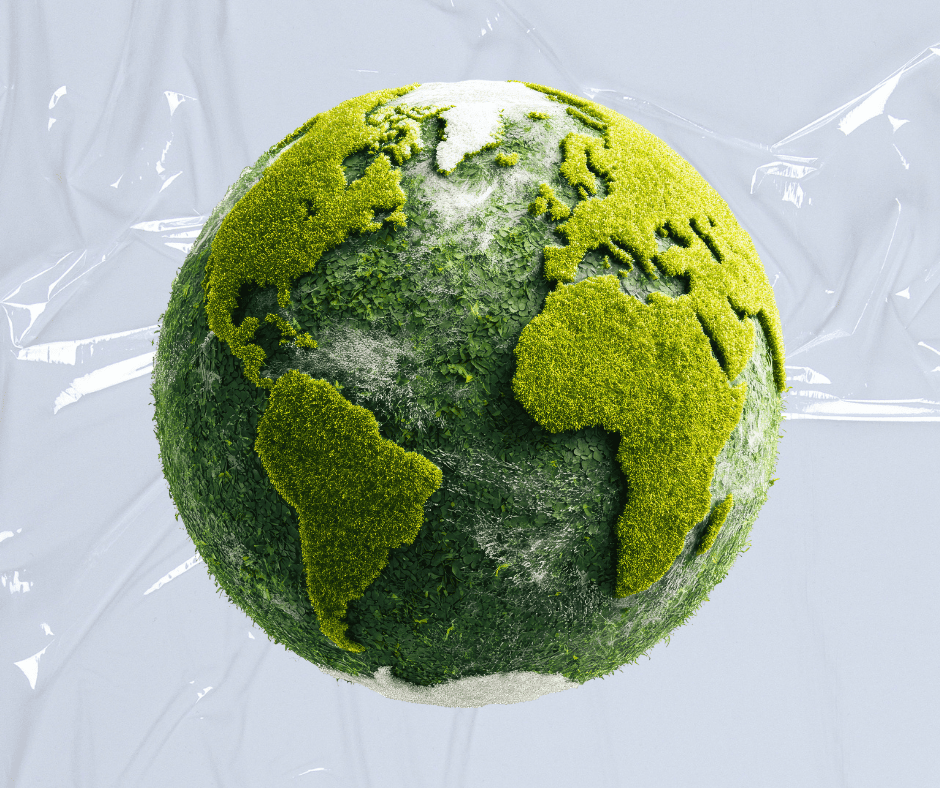

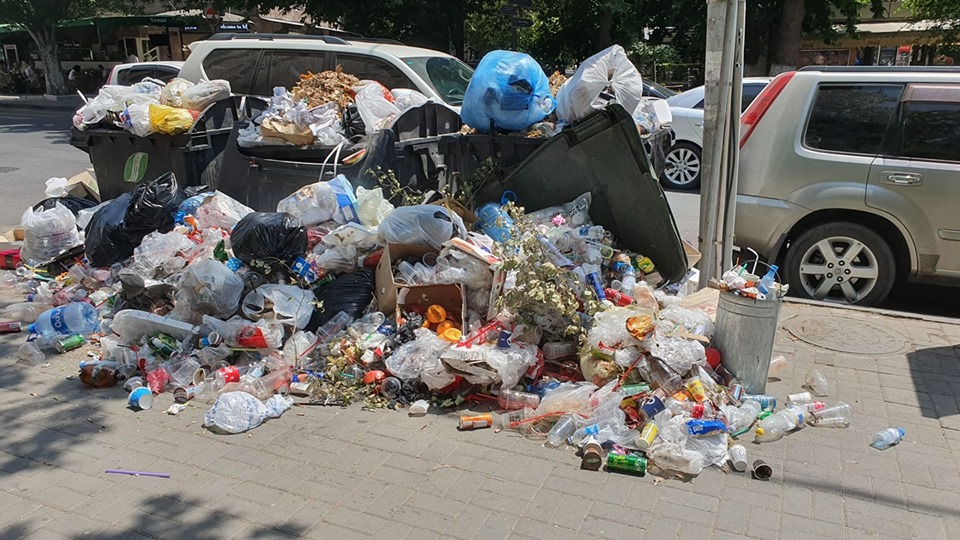
 Bár az európai emberek klíma- és környezettudatossága az elmúlt években jelentősen és addig soha nem látott tempóban növekedett, a járvány okozta új helyzet most mégis nagy visszaesést jelent ezen a téren. Az Európai Környezetvédelmi Ügynökség (EEA) nemrég bemutatott jelentése szerint az elmúlt időszakban megnövekedett műanyagfelhaszálás veszélyeztetheti az Európai Unió által a műanyagszemét csökkentése érdekében tett erőfeszítések sikerét.
Nyugat-Európában használják a legtöbb műanyagot, derül ki az EEA jelentéséből
Egyrétegű csomagolóanyagokkal a körkörös műanyaggazdálkodásért: a CEFLEX legújabb tanulmánya szerint ez a legrövidebb út
Western Europe uses the most plastic, EEA report reveals
Single-layer packaging for circular plastic management: according to the latest CEFLEX study, this is the shortest path
Készen áll arra, hogy különleges, költségcsökkentő megoldásainkkal többet hozzon ki vállalkozásából?
Keressen minket, és egyeztessünk egy időpontot!
Arató GáborAudit szakértő
Üzenet küldése+36 1 408 8768
Ready to cut costs without cutting corners?
Our specialised solutions are built to save you money where it matters most. Get in touch to schedule a consultation.
Gábor Arató
Audit expert
Send a message+36 1 408 8768
Mára köztudott, hogy a pandémia idején megsokszorozódott a műanyagfelhasználás, hiszen éppen a járvány elleni védelemben játszik nagy szerepet a műanyag: a maszkokon felül az éttermi házhozszállításra és az online vásárlásra való tömeges átállás is nagyban hozzájárul a műanyagszemét mennyiségének megnövekedéséhez. Egy nemrég készült kutatásból azonban az is kiderült, hogy a nyugat-európaiak fejenként háromszor annyi műanyagot használnak, mint a globális átlag.
Bár az európai emberek klíma- és környezettudatossága az elmúlt években jelentősen és addig soha nem látott tempóban növekedett, a járvány okozta új helyzet most mégis nagy visszaesést jelent ezen a téren. Az Európai Környezetvédelmi Ügynökség (EEA) nemrég bemutatott jelentése szerint az elmúlt időszakban megnövekedett műanyagfelhaszálás veszélyeztetheti az Európai Unió által a műanyagszemét csökkentése érdekében tett erőfeszítések sikerét.
Bár az európai emberek klíma- és környezettudatossága az elmúlt években jelentősen és addig soha nem látott tempóban növekedett, a járvány okozta új helyzet most mégis nagy visszaesést jelent ezen a téren. Az Európai Környezetvédelmi Ügynökség (EEA) nemrég bemutatott jelentése szerint az elmúlt időszakban megnövekedett műanyagfelhaszálás veszélyeztetheti az Európai Unió által a műanyagszemét csökkentése érdekében tett erőfeszítések sikerét.
It is now well known that plastic use has multiplied during the pandemic, as plastic plays a major role in protecting against the epidemic: in addition to masks, the mass switch to restaurant delivery and online shopping also contributes greatly to the increase in the amount of plastic waste. However, a recent study also revealed that Western Europeans use three times as much plastic per capita as the global average.
Although the climate and environmental awareness of Europeans has increased significantly and at an unprecedented pace in recent years, the new situation caused by the epidemic now represents a major setback in this area. A recent report by the European Environment Agency (EEA) warns that the recent increase in plastic use could undermine the success of the European Union’s efforts to reduce plastic waste.
Challenges:
“The challenges posed by plastics can largely be traced back to the fact that our production and consumption systems are unsustainable,” said Hans Bruyninckx, EEA Director-General. The best way forward, experts say, is to create a fundamentally sustainable and circular plastics economy, where materials are used and recycled smarter and better. In addition, plastics should be made from sustainable raw materials.
Solution:
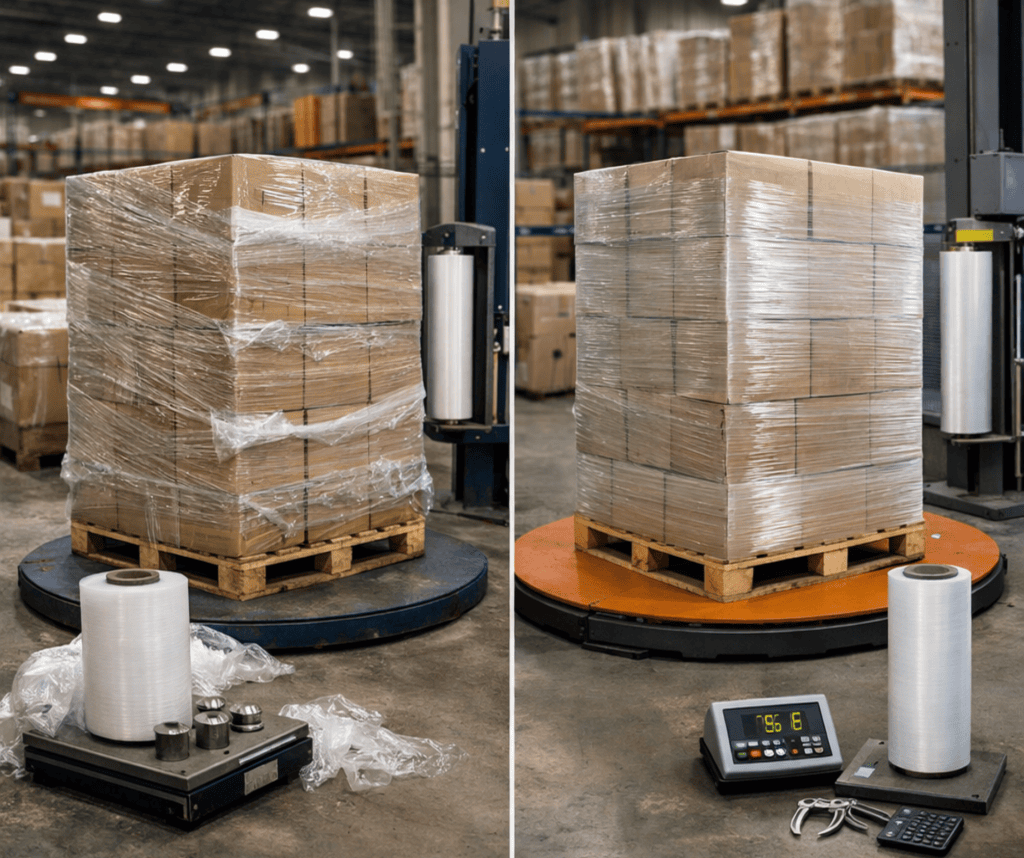
Manupackaging Hungary also sees the solution in reducing packaging materials, which is especially important at a time when the use of packaging materials has doubled in some industries compared to business as usual. In addition, the stretch films and shrink films we sell are 100% and infinitely recyclable, thus contributing to the implementation of a circular plastic economy.