
Ezért nem éri meg a pályázatra várni: partnerünknél fél éven belül megtérül az automatizálás
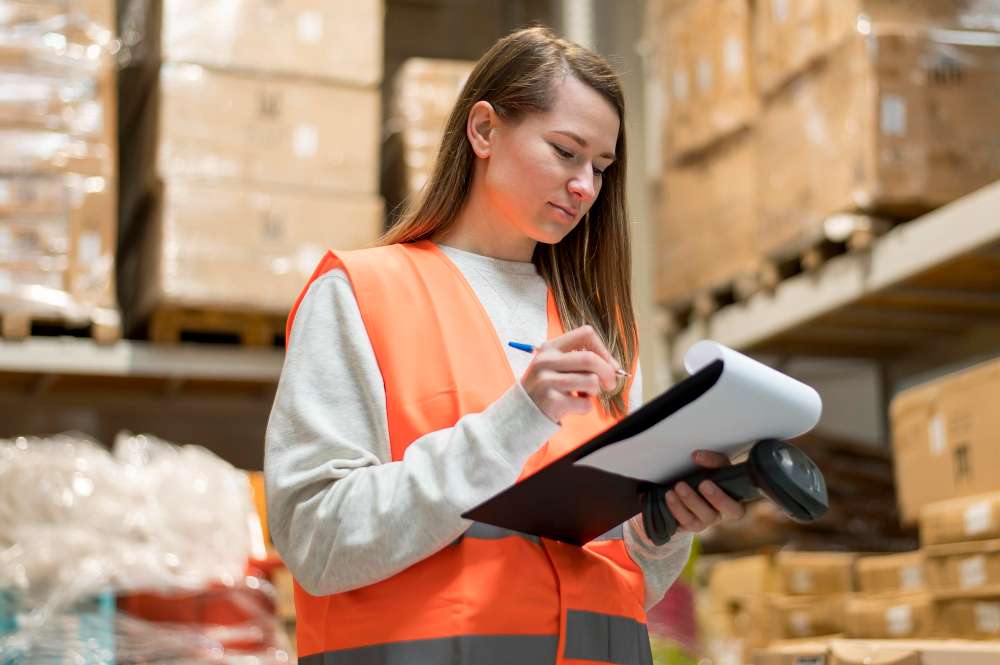
Játéknagykereskedést vezető partnerünk azért keresett meg minket, mert az egyre növekvő csomagolóanyag árak mellett mielőbb szerette volna optimalizálni csomagolási folyamatait. A telephelyen mindaddig kézi csomagolást alkalmaztak, ami egyrészt jóval anyag- és időigényesebb a gépinél, másrészt pedig gyakorlatilag mérhetetlen a költsége, hiszen dolgozónként és rakatonként is eltérhet a fajlagos anyagszükséglet.
Megbízás:
Egy olyan telephelyen, ahol a napi forgalom átlagosan 100-150 raklap, szezonban pedig akár 300 is lehet, a kézi csomagolás jelentős mennyiségű anyag és munkaerő elpazarlását jelenti. További problémát jelentett, hogy mivel a dolgozók előnyújtás nélkül, kézzel tekerték rá a 20 my-os csomagolóanyagot a rakatokra, nyilván nem tudtak olyan feszes rögzítést elérni, mint egy előnyújtó funkcióval rendelkező csomagológép, és így a tartóerő is gyakran hagyott maga után kívánnivalót.Javaslat:
A csomagolás gépesítését két darab Sfera félautomata csomagolórobottal oldottuk meg, amely rendelkezik előnyújtó egységgel. Ennek köszönhetően egységes erővel feszíti rá a rakatokra a fóliát, így azok tartóereje garantált, ahogy a rakatonkénti fajlagos anyagszükséglet is változatlan, és ami még fontosabb, jelentősen lecsökken.Eredmény:
A csomagolási teszt során a 17 my-os stretch-fóliából 200%-os előnyújtással 114 gramm került felhasználásra egy rakat lecsomagolásához, míg a kézi csomagolás esetében ez a mennyiség 291 gramm volt. Vagyis az automatizálással 61%-os anyagmegtakarítást sikerült elérni, miközben rengeteg munkaerő felszabadítása és átcsoportosítása is lehetővé vált.Beruházás megtérülése:
A megoldás sikerét bizonyítja, hogy az egy gépre jutó beruházás fél éven belül meg is térül (ahogy azt már a csomagolási teszten alátámasztottuk), ezért partnerünk nem is várta meg a legközelebbi pályázati lehetőséget. Így haladéktalanul átállhatott a gazdaságosabb működésre, a csaknem kétharmados anyagmegtakarítás pedig hamarosan tiszta haszonként könyvelhető el. Arról nem is beszélve, hogy ezáltal már most rengeteg műanyag fölösleges felhasználásától és hulladékká válásától kíméltük meg a világot.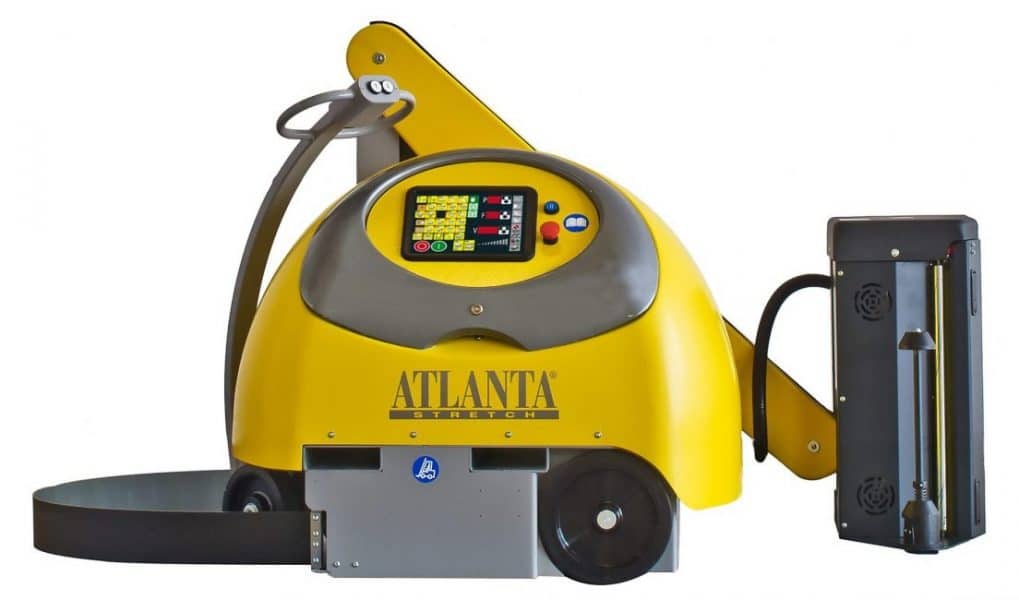
Amennyiben partnerünkhöz hasonlóan az Ön vállalkozásának fellendülését is segítheti a csomagolási folyamatok optimalizálása, kérjük, keresse szakértő munkatársunkat Somogyi Gábort a +36 30 682 60 51-es telefonszámon, vagy írjon az iroda@manupackaging.hu email címre!